Blog

Should I Get My Tools Repaired or Buy New?
If you’re a tradesperson or a passionate DIYer, your tools are your livelihood, or at the very least, essential to getting the job done right. But when one of your trusty tools starts to fail, you’re faced with a decision: Should you repair it, or is it time to replace it?
This is a common dilemma, and the answer depends on several factors: the type of tool, the cost of repair versus replacement, and the tool’s age, quality, and intended use.
Let’s break it down to help you make the smartest choice.
1. Assess the Extent of the Damage
Before deciding anything, figure out what’s actually wrong. Some faults are minor—such as a broken switch, frayed cord, or worn-out brushes in a power tool. These can often be fixed quickly and affordably.
But if there’s serious internal damage, like a burned-out motor or cracked casing, it might not be worth the time or money.
Pro tip: Many UK tool repair shops offer free assessments or quotes before doing any work. It’s worth getting a professional opinion.
2. Consider the Cost of Repair vs. Replacement
A good rule of thumb: if the repair costs more than 50% of the price of a new tool, it’s often better to replace it.
That said, if you’re using a high-end tool from a brand like Makita, Bosch, or DeWalt, it might still be worth repairing. Premium tools are designed to last and are often more cost-effective to fix than cheaper alternatives.
Example:
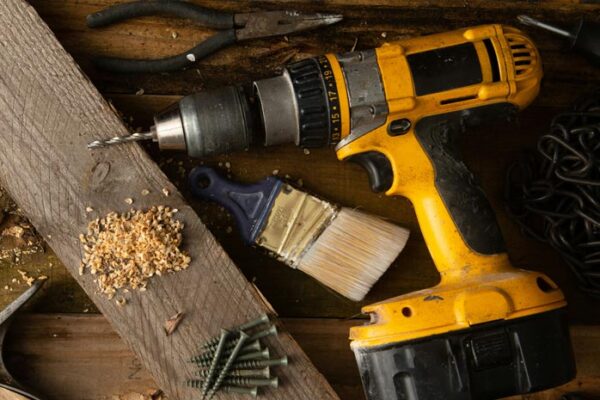
Repairing a DeWalt cordless drill might cost £40–£60.
Replacing it new could be £150+.
3. Check the Warranty and Manufacturer Support
Many reputable tool brands offer generous warranties, some even lifetime guarantees for specific parts. If your tool is still under warranty, the manufacturer may repair or replace it for free.
Even if it’s out of warranty, some brands offer a repair service at a discounted rate. Check their website or customer service before heading to the bin or shop.
4. Think About Environmental Impact
Repairing tools instead of binning them helps reduce waste and your carbon footprint. In the UK, there’s increasing pressure to repair rather than replace, as part of sustainability efforts.
If the tool is repairable and still has a good few years left in it, choosing to fix it can be the greener option.
5. Factor in Downtime
For tradespeople, time is money. If you rely on a specific tool every day and repair will take a week or more, you might not be able to wait.
In this case, consider:
Hiring a replacement tool temporarily.
Buying a backup and repairing the original when you have time.
6. When Buying New Might Be the Better Choice
There are definitely situations where buying new is the smarter move:
The tool is low-cost and the repair cost is close to replacement.
It’s outdated or obsolete (spare parts are no longer available).
You’ve already repaired it several times.
New models offer significantly better performance, safety, or battery life.
7. Where to Get Tools Repaired in the UK
If you do decide to go the repair route, look for:
Authorised service centres for your brand.
Local tool repair shops (many offer quick turnaround and fair prices).
Mobile repair services that come to your site.
Make sure they use genuine parts and offer a warranty on their work.
Final Verdict: Repair or Replace?
| Scenario | Verdict |
|---|---|
| Minor fault, quality tool, parts available | Repair |
| Major damage, low-cost tool | Replace |
| Under warranty | Repair (often free) |
| Old, unreliable, or obsolete | Replace |
| You’re time-strapped and need it now | Replace or hire temporarily |
In Summary
While it’s tempting to always buy new, especially with deals available online, repairing your tools is often the more economical and environmentally responsible choice. But when repairs are no longer cost-effective or safe, replacing is the better long-term investment.
Whatever you decide, make sure your tools are safe, reliable, and suited to the job, because your time and effort are worth the right equipment.
Need help with tool and equipment repair or tool hire? Contact us today!